We use cookies to optimize your experience, analyze traffic, and personalize ads. Please choose whether you accept our use of non-essential cookies. Read More

Operating sustainably managed teak plantations, Form Ghana’s strong emphasis on creating conditions enabling smallholder farmers to establish long-term cashew plantations intercropped with cash crops is supporting livelihoods and restoring ecosystems.
In the heart of Ghana’s Bono Region, within the Tain II Forest Reserve in the greater Berekum Municipal area, Form Ghana Limited is demonstrating how commercial forestry and community partnerships development can grow side by side. Before Form Ghana’s Integrated Community Fire Management Programme (ICFMP) initiative, long-term crops and economic stability for rural communities were impossible.
Supporting farmers
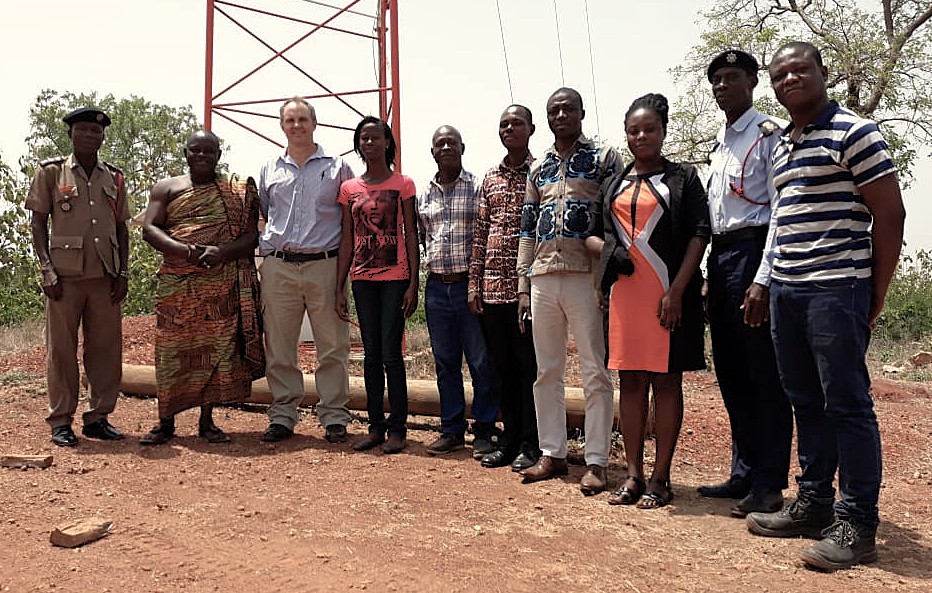
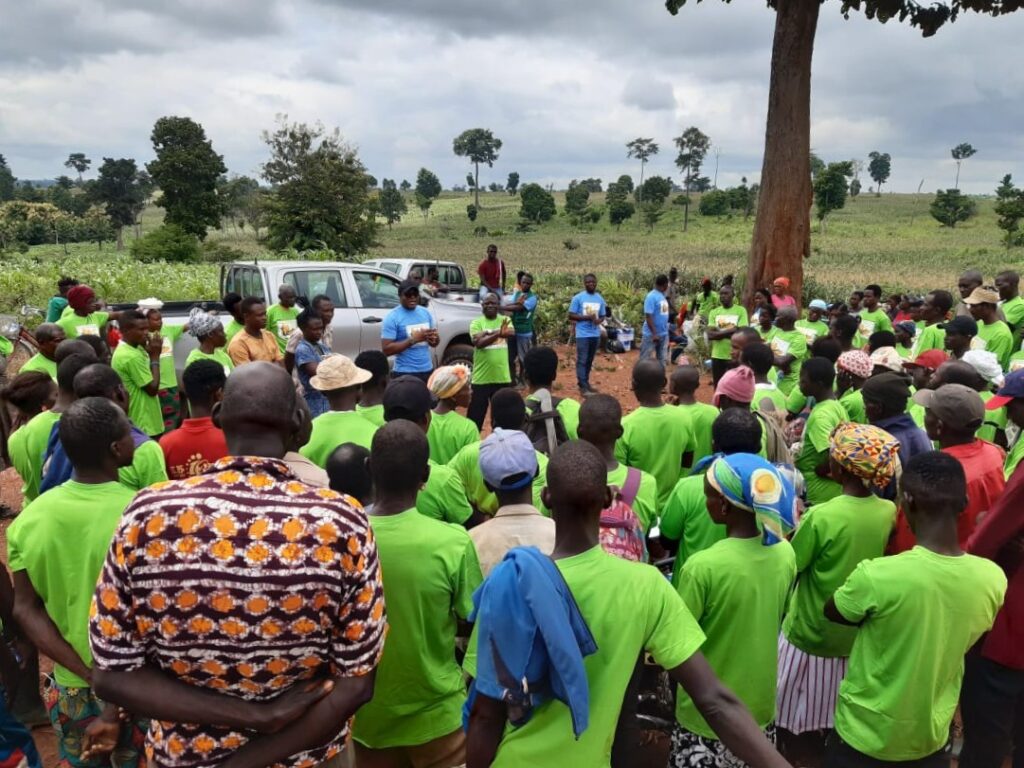
At the centre of Form Ghana’s community engagement is direct support to 747 farmers, 29% of whom are women. These farmers come from 15 communities, including fringe communities, five admitted farms within the reserve framework, and off-reserve farmers managing their own lands.
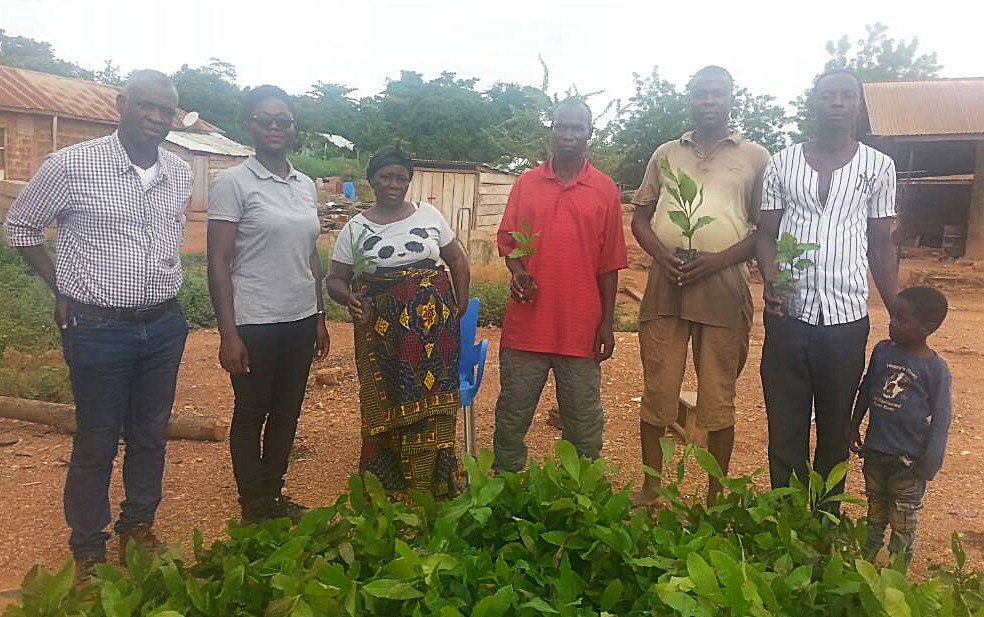
The focus has been on improving productivity, market access, and sustainability, especially through the cultivation of cashew trees, a key livelihood resource in the region. Smallholder farmers constitute most of the cashew producers and processors in Ghana, and strengthening this value chain has proven transformative.
Alleviating poverty
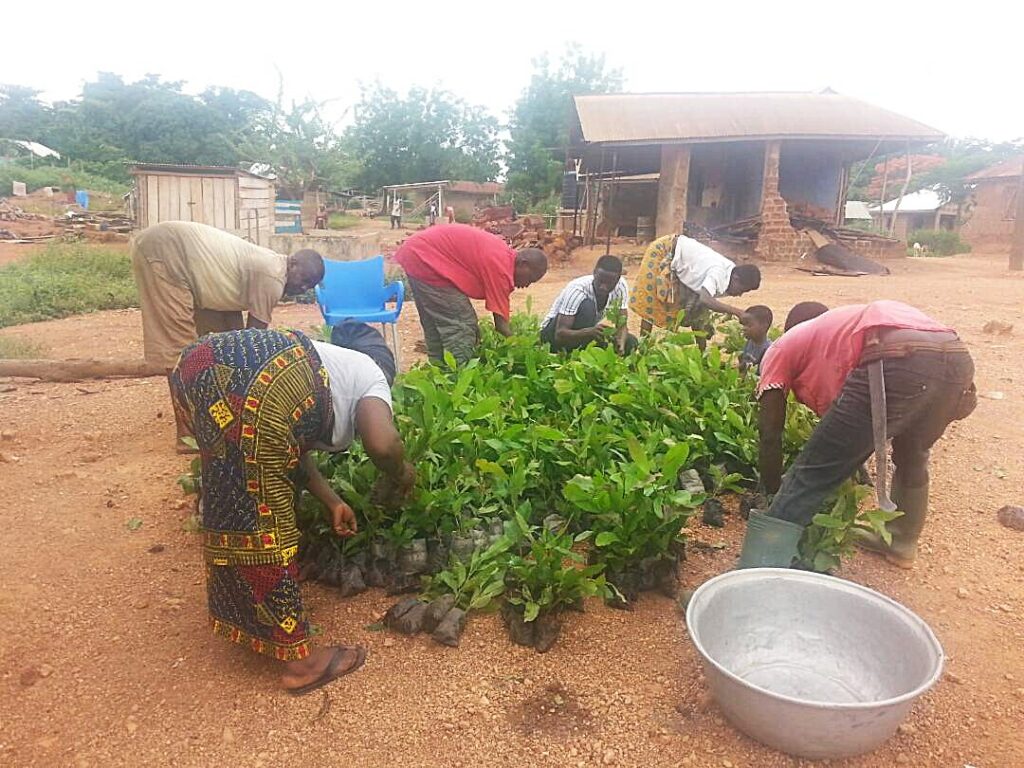
Through targeted support, including training, seedlings, extension guidance, and improved access, farmers are experiencing measurable increases in cashew production income. Form Ghana’s direct support of the farmers has created indirect employment for about 200 people across plant nurseries, plantations, crop maintenance, fire management, and road building and maintenance.
Feedback received during regular meetings between Form Ghana’s ESG Officers, community leaders and farmers indicates that the profit from the long-term crop is creating a positive trickle-down effect, improving overall standards of living among participating farming households, such as
Food and nutrition
Beyond income generation, Form Ghana and agronomists advise farmers on how the cashew trees’ organic matter improves soil nutrients. It creates favourable conditions and increases the yield of intercropped staple foods such as maize, soya beans and yams.
Researchers say these food crops are particularly cost-effective when intercropped with cashew, helping households meet their daily sustenance needs while building financial resilience.
Infrastructure
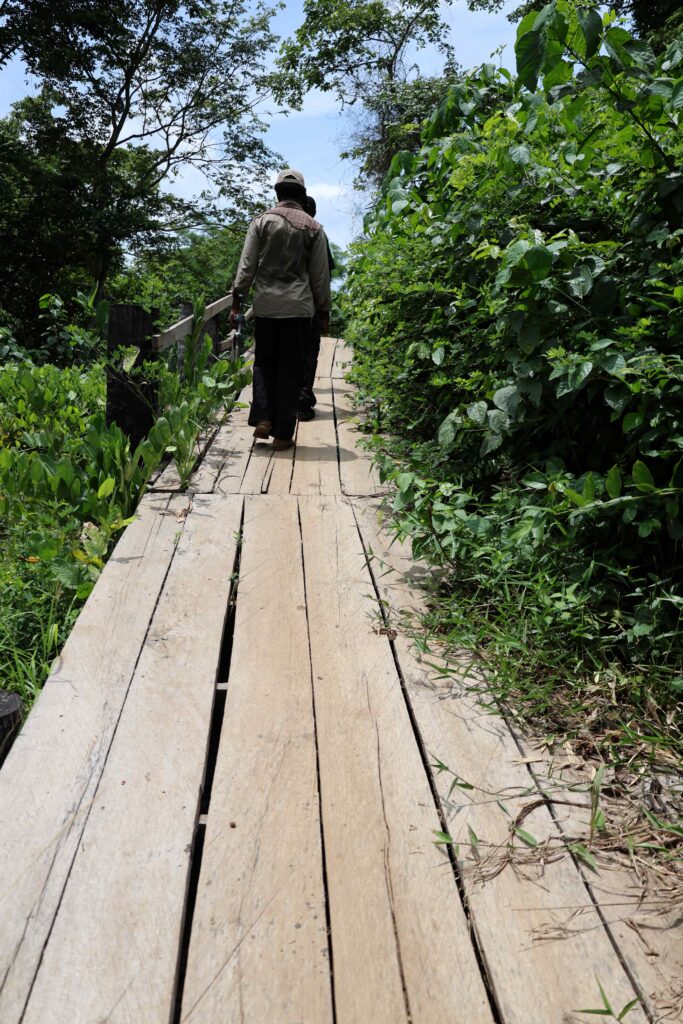
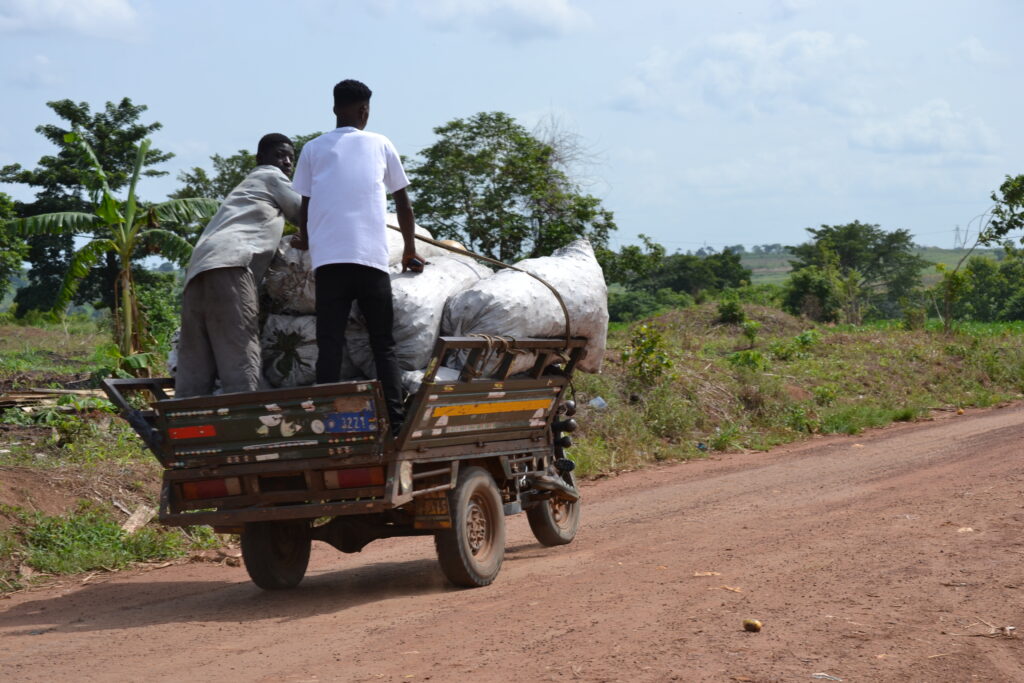
Infrastructure investment has strengthened economic inclusion. To enable farmers to transport their produce efficiently, Form Ghana constructed a bridge and over 591 kilometres of roads within the Tain II Forest Reserve and surrounding communities.
These roads improve access to health, education, and markets and serve the wider public. Importantly, they also serve as firebreaks, helping protect crops and livelihoods.
Community partnerships
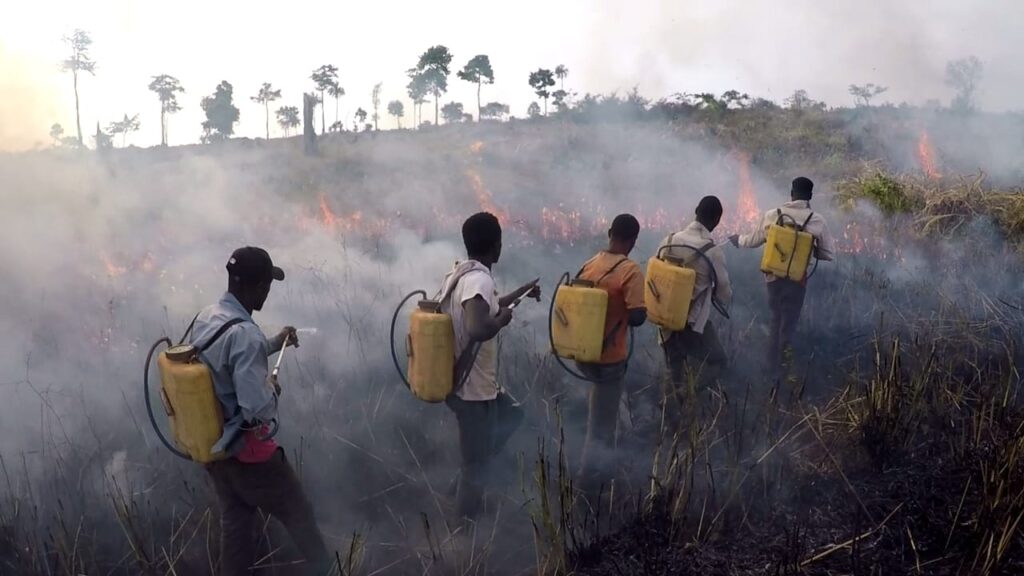
Summers are hot and dry, and the harmattan (strong hot winds blowing from the Sahara Desert in the north) creates perfect conditions for runaway wildfires. A lack of understanding of controlled burns, fire behaviour, and firefighting was a constant risk to all rural communities.
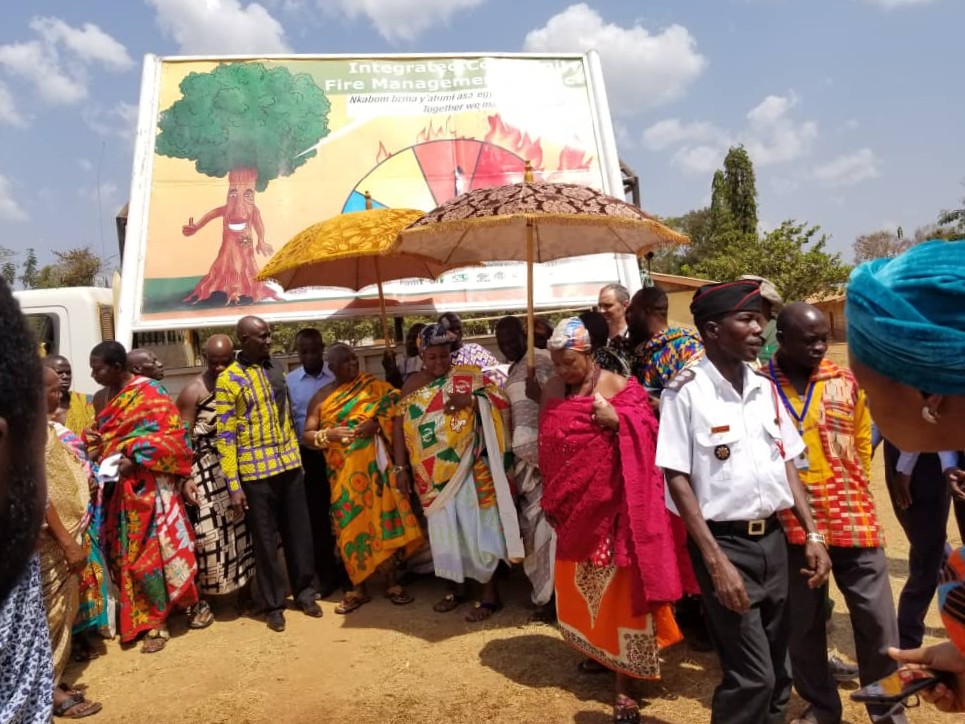
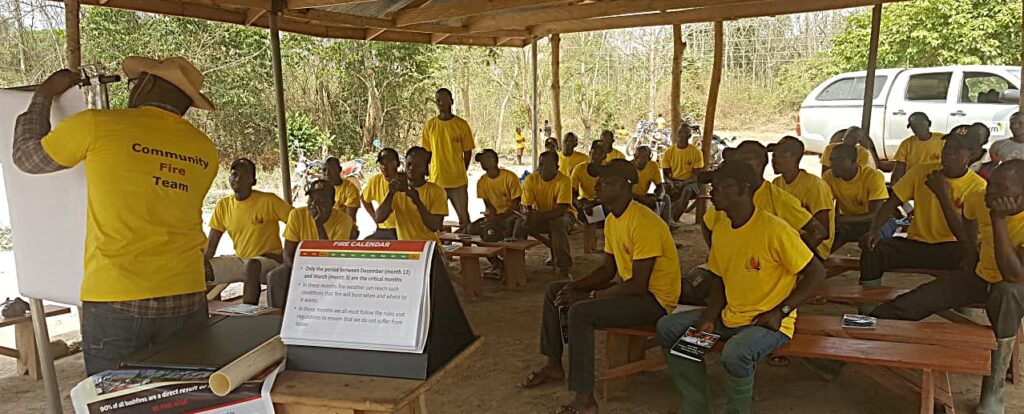
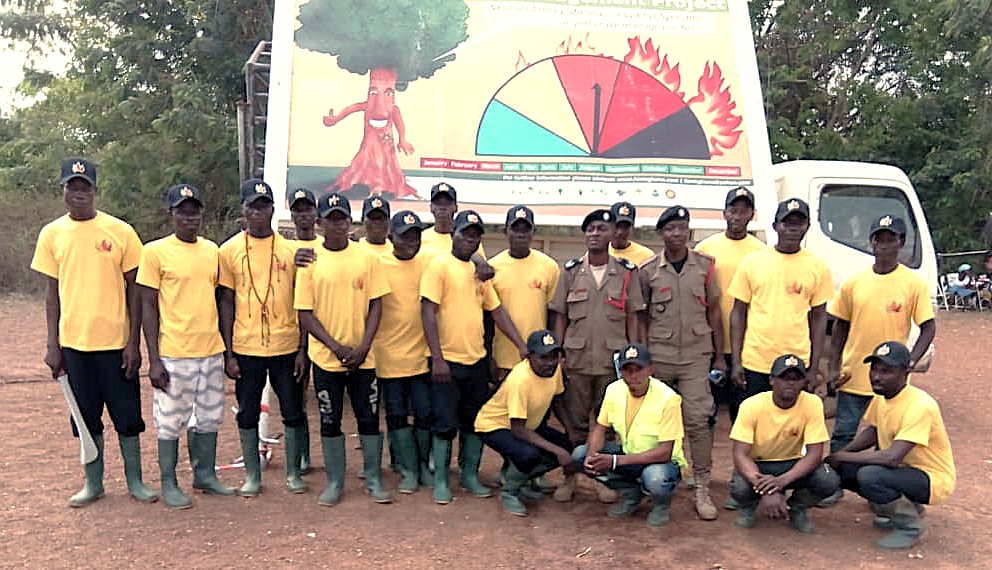
Through the ICFMP partnership with communities and farmers, the Fire Danger Index was introduced, and local fire volunteer squads are trained annually in firefighting and suppression techniques and equipped with basic firefighting tools. Stakeholders' feedback and Form Ghana’s high-tech fire management system confirm that there have been nearly 80% fewer wildfire outbreaks across the 6,154 hectares within the Tain II Forest Reserve. This incredible achievement is a win-win situation for everyone.
Restoring biodiversity
Form Ghana’s work extends beyond teak cultivation, the national Green Ghana and Trees for Life reforestation projects and community social responsibilities. Since 2019, the company has deliberately selected and planted indigenous species that historically formed part of the local Eastern Guinean Lowland Forest ecosystem, including:
Many of these species produce edible fruits, which support local livelihoods and attract wildlife. Wildlife plays a crucial ecological role as a seed dispersal agent, accelerating natural regeneration and strengthening biodiversity recovery.
In the last seven years, Form Ghana has been directly involved with supplying seedlings and support to farmers and communities to establish :
During this same time an estimated 3,500 additional acres have been planted with tree crops within the greater Berekum Municipal area, due to the enabling environment created by Form Ghana’s proactive actions.
Additionally, seedlings were planted and successfully established at the Freeman Methodist Primary A School, Freeman Methodist Primary B School, and the Mpatapo M/A Primary School.
Form Ghana cares
Since 2019, Form Ghana has directly supported close to 750 farmers, strengthened cashew-based intercropping systems, reduced wildfire outbreaks, restored indigenous biodiversity, improved road access, and created employment opportunities.
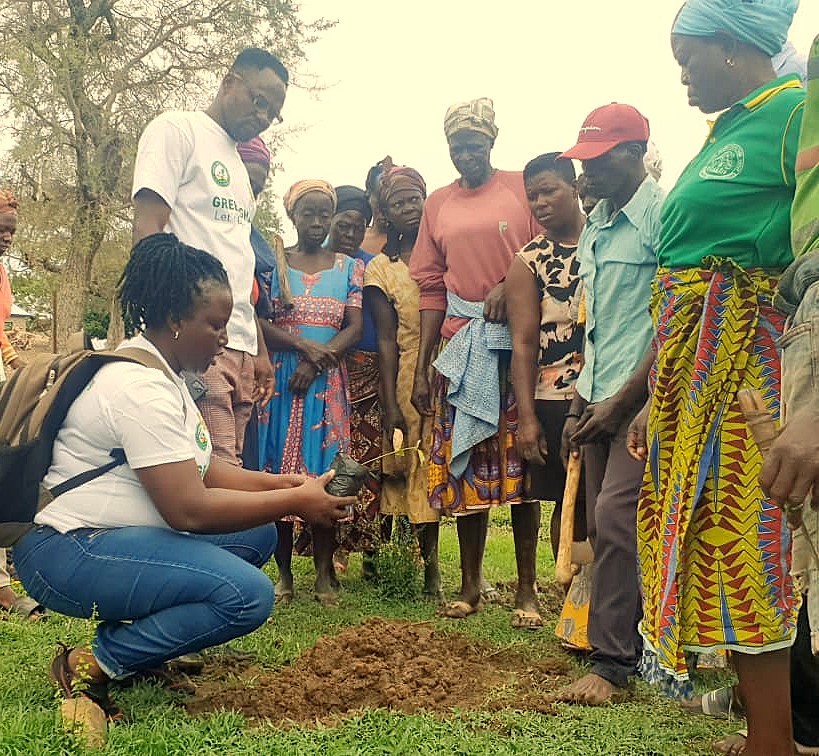
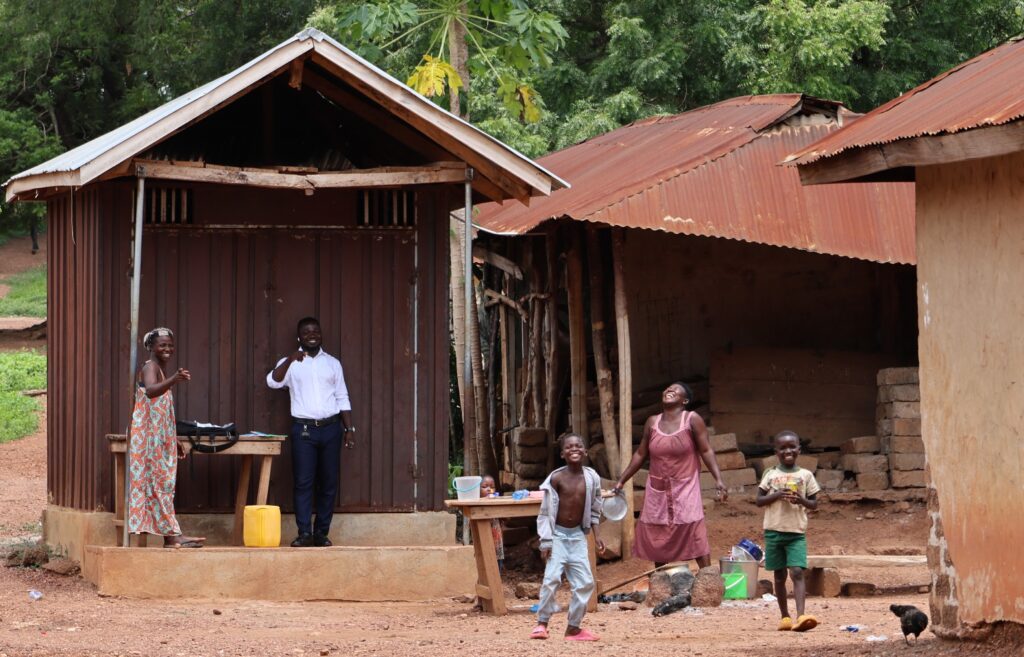
Form Ghana’s commitment to sustainable plantation forestry is a catalyst for rural economic development and restoring biodiversity.
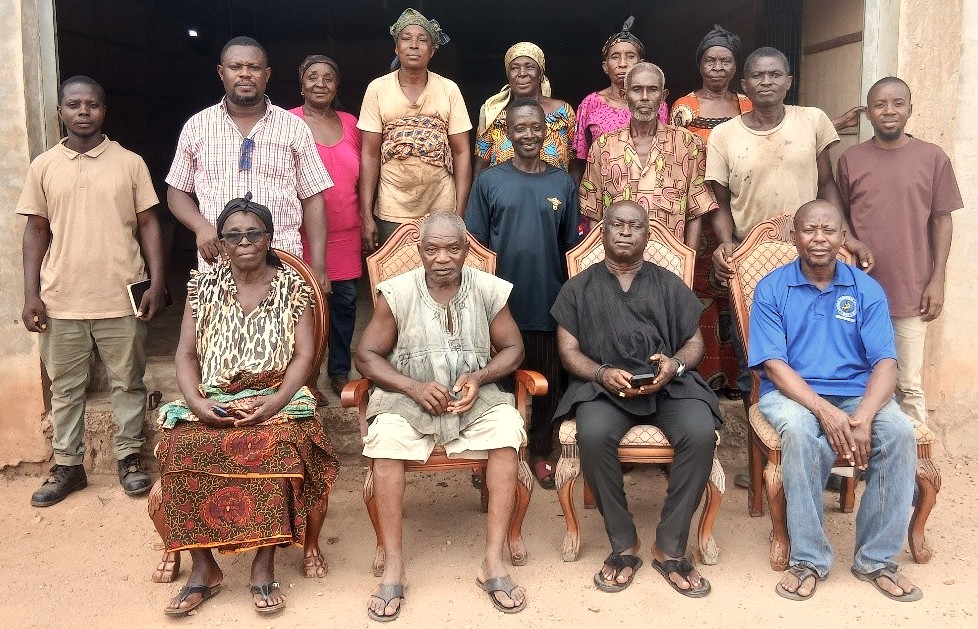
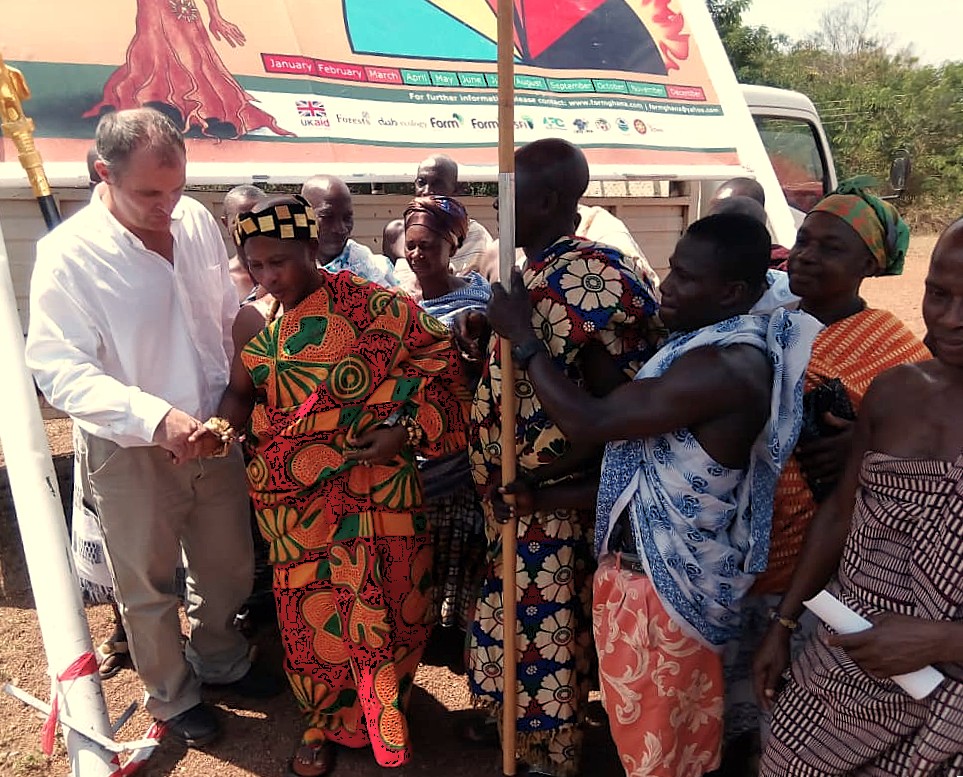
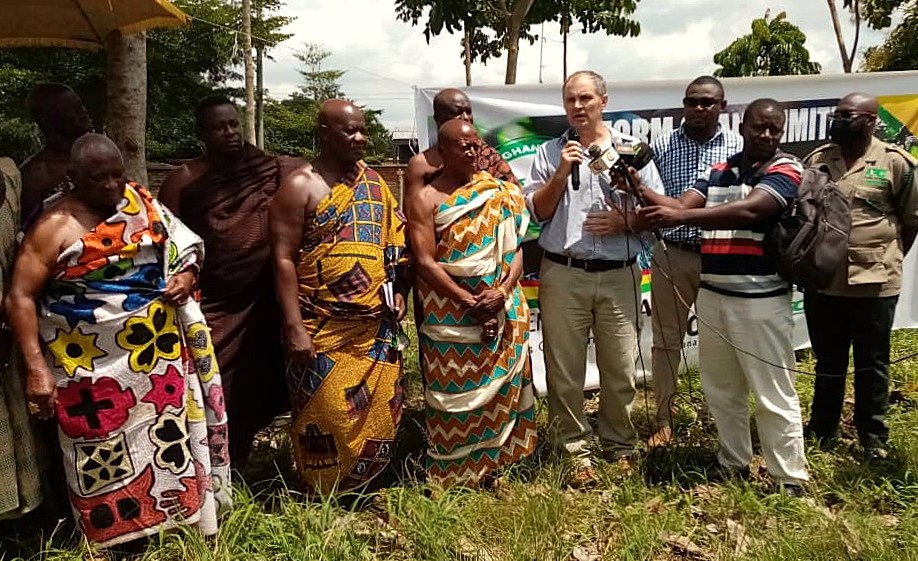
The Elders and Community Leaders of the Domeabra and Ampemkrom Communities are pleased to announce that they have each signed a Memorandum of Understanding (MOU) with Form Ghana, under which the company commits to rehabilitating, building, and maintaining certain roads.
Form Ghana is a 19-year-old Ghanaian teak forestry company specialising in rehabilitating degraded forestry reserves and striving to establish and maintain a culture of transparency, trust and safety with all its stakeholders.
Willem Fourie, the CEO of Form Ghana, emphasises that although its first obligation is to its staff, no rural company can operate without strong social relationships and direct communication channels with its fringe communities.
Form Ghana’s Social and Environmental Department regularly visits fringe communities and conducts annual social surveys.
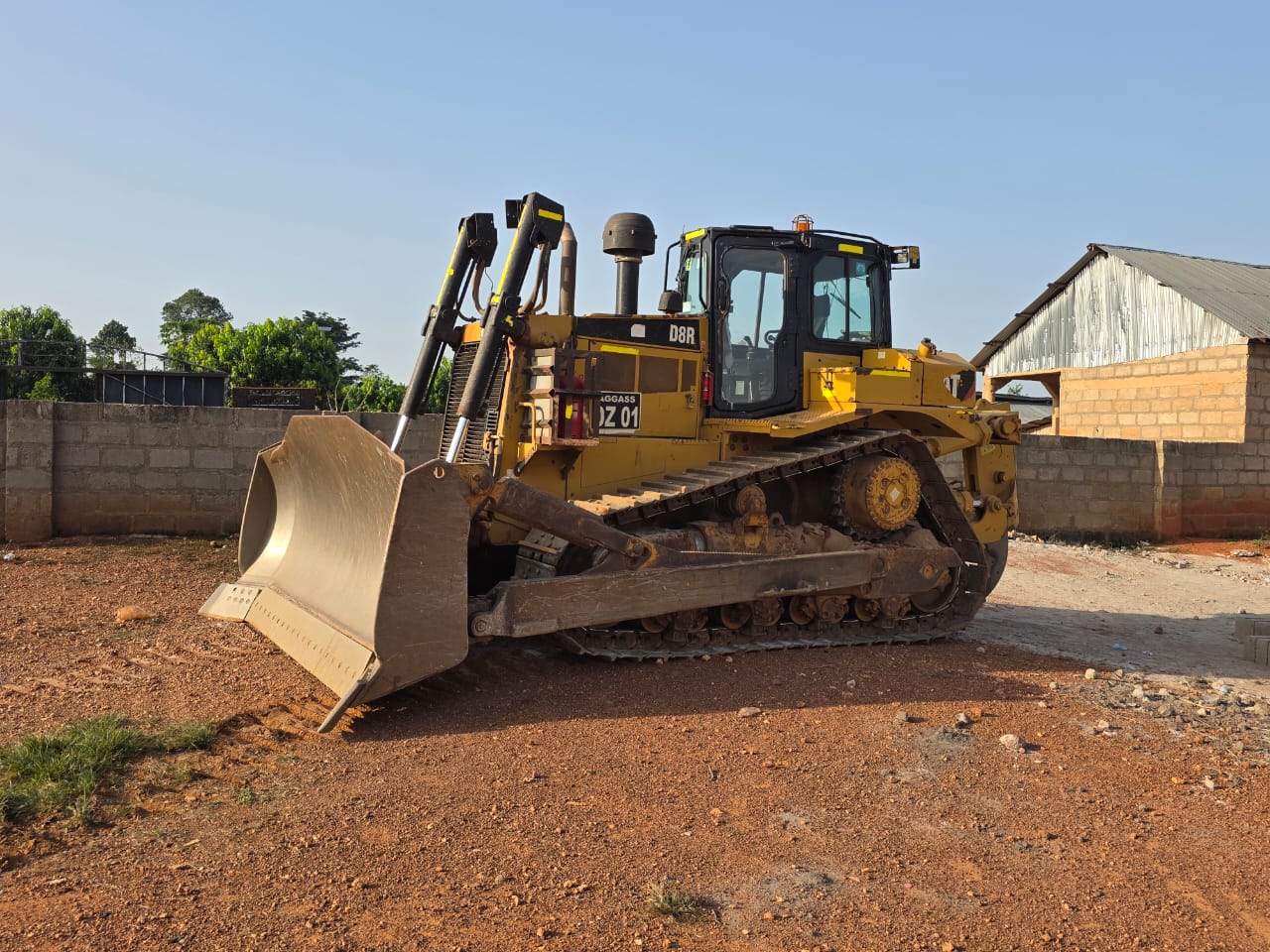
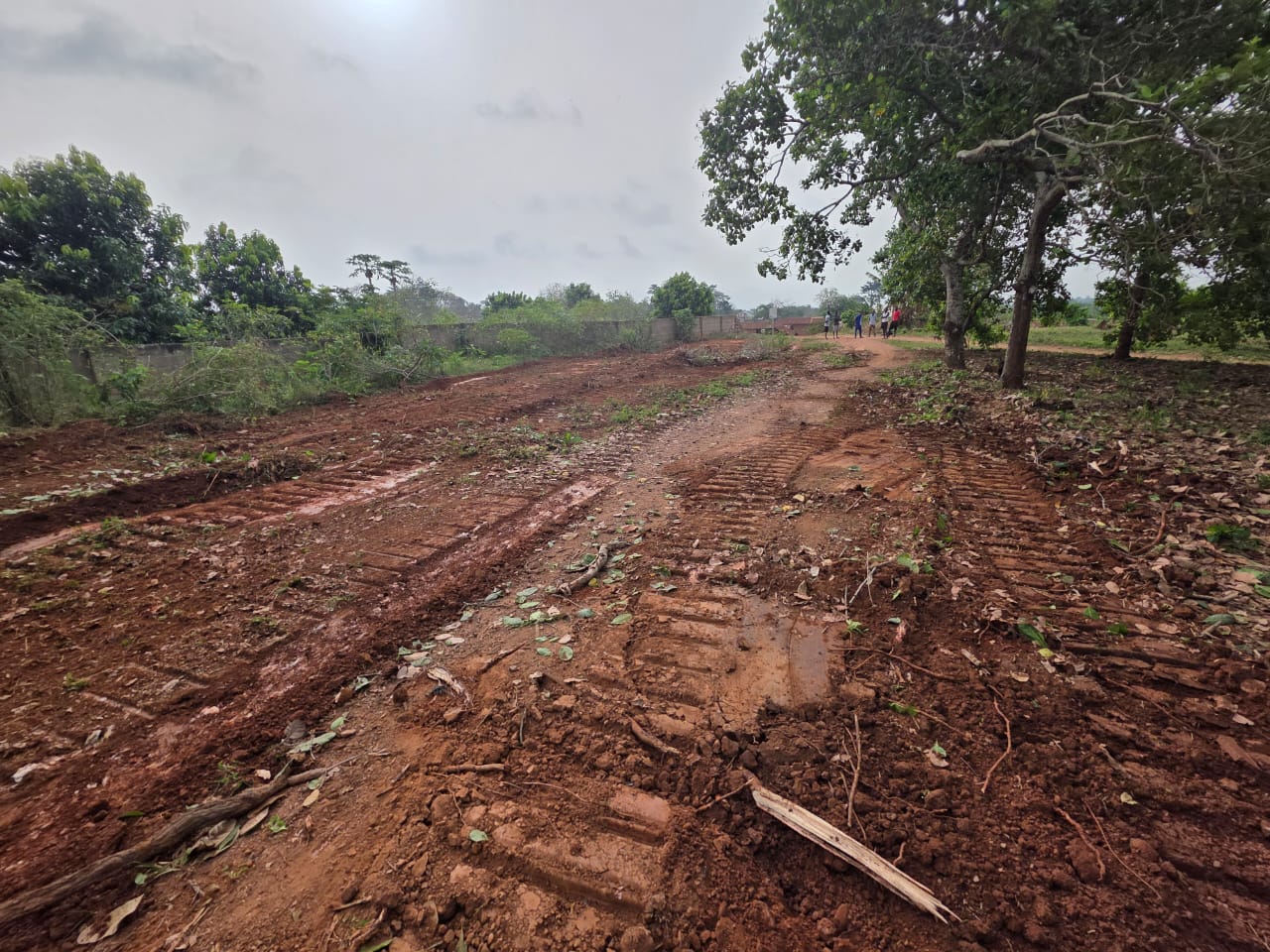
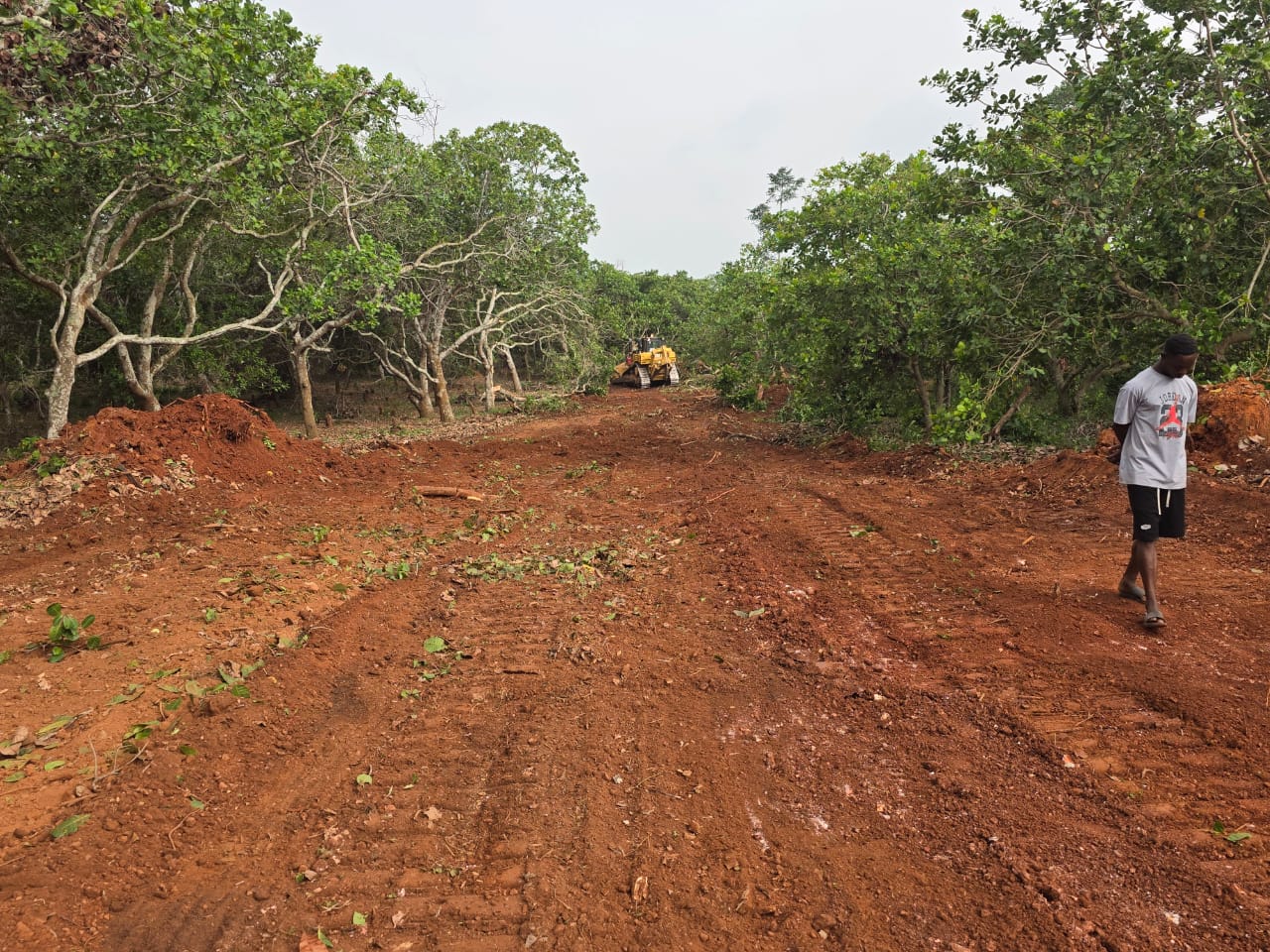
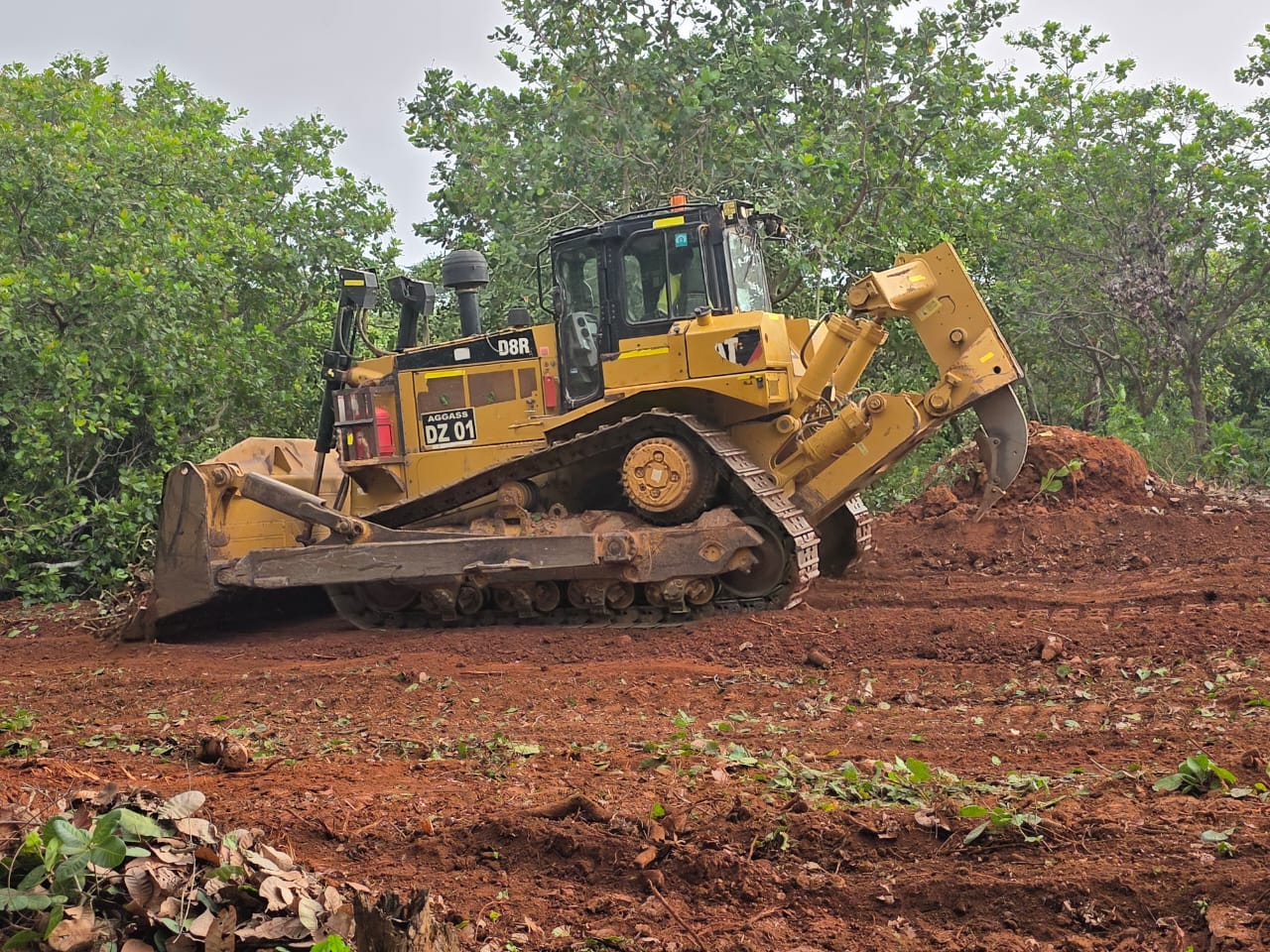
The Domeabra and Ampemkrom communities rely on income from cultivating and trading crops to support their livelihoods. Like agriculturists worldwide, the farmers near the Tain II Forest Reserve must manage diseases and pests that damage their crops. But their greater challenges are access to markets, healthcare and education, and the risks of wildfires and floods.
The Elders and Community Leaders of both villages believe that the only way to address the access problem is to have well-maintained roads, and each decided to approach Form Ghana for assistance.
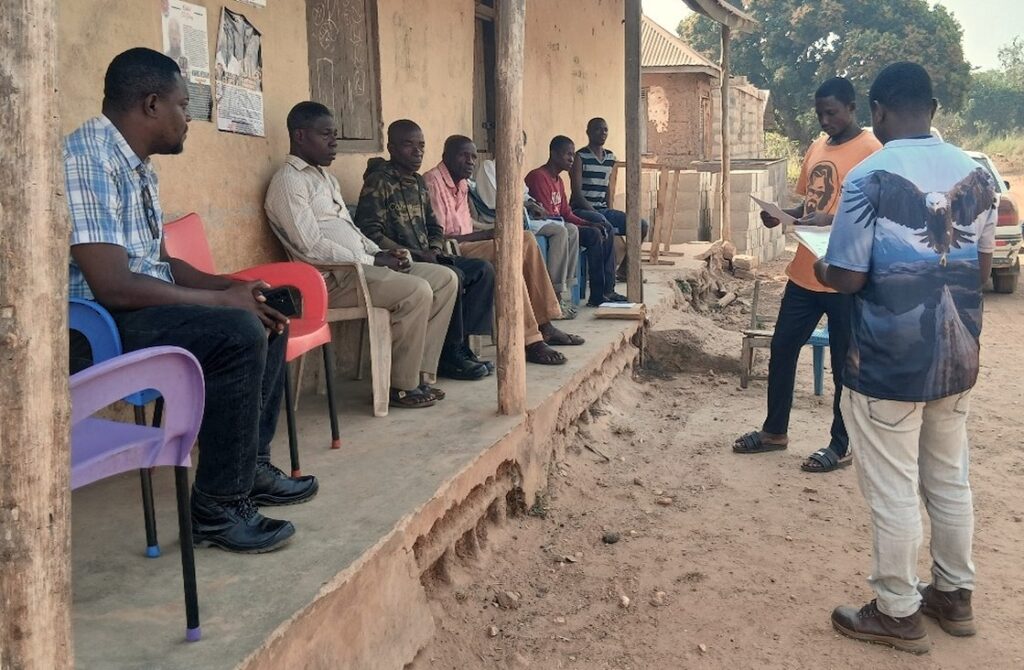
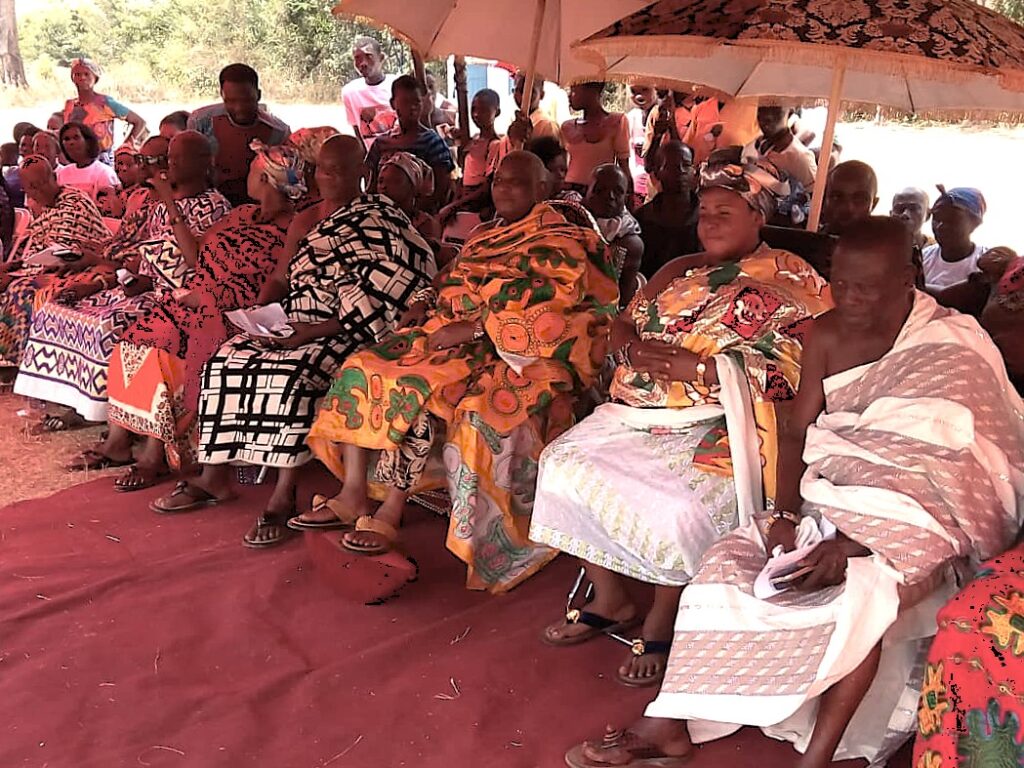
The Chief of Domeabra, Nana Ansu Adoma, the Elders, and community representatives formally appealed to Form Ghana to assist with rehabilitating and maintaining their community road. The road is an important lifeline for the village, serves as a firebreak, and provides access for firefighters.
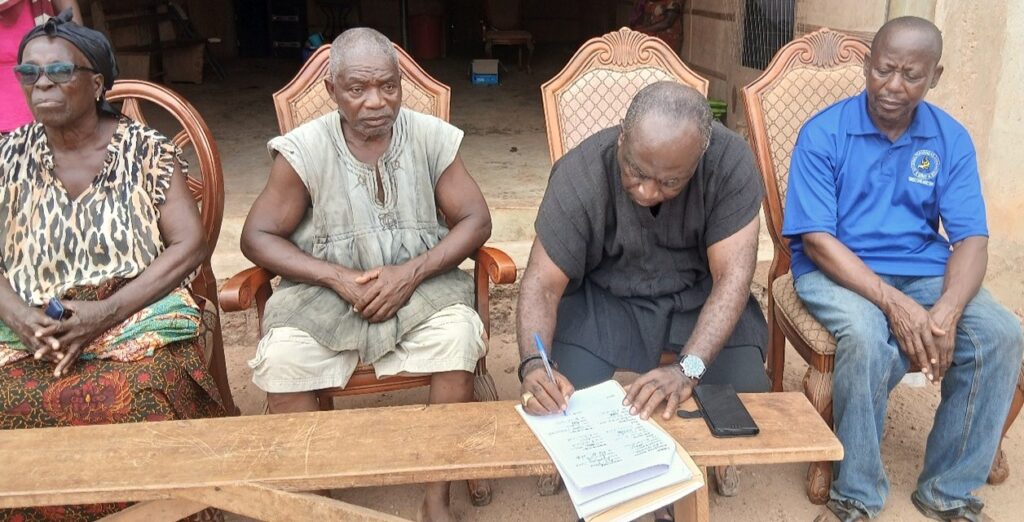
They signed an MOU with the company under which Form Ghana will grade a new road from Akrofro through the Domeabra community toward the Tain II Forest Reserve. The MOU was read out in Akan and English, and everyone agreed they understood it.
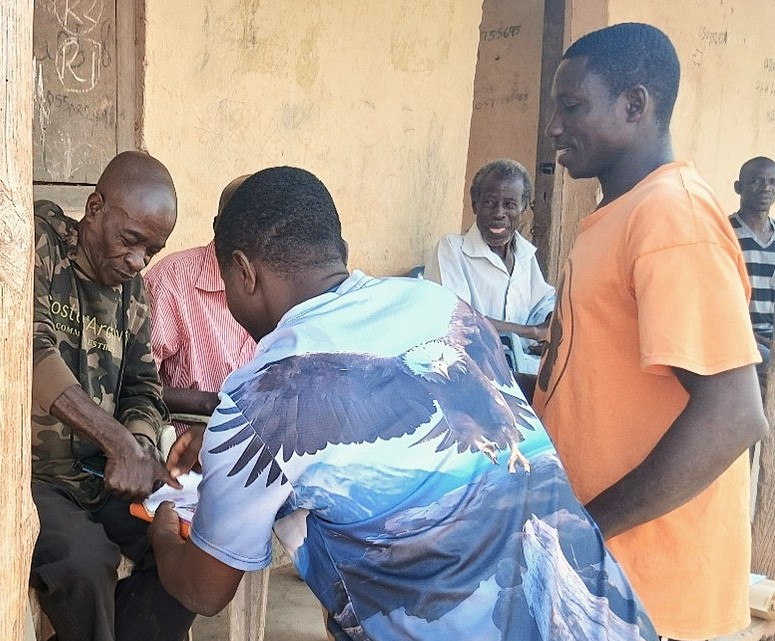
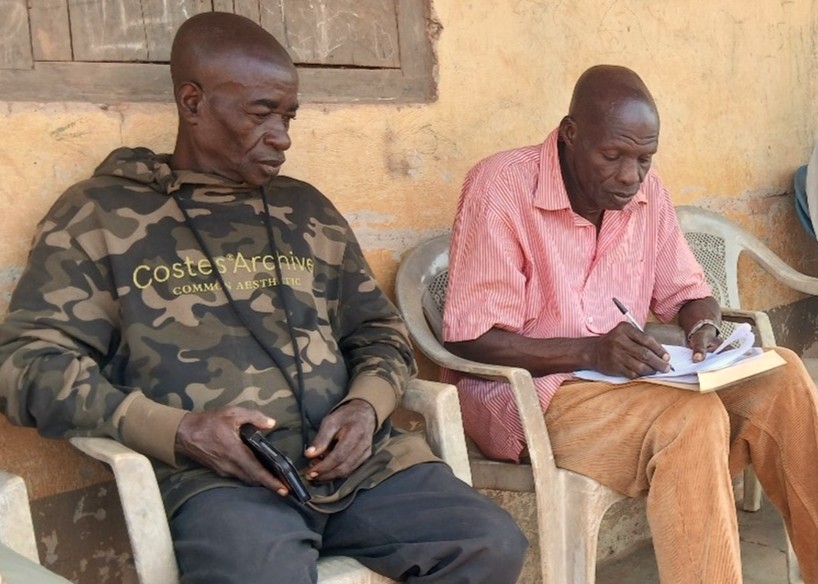
At the signing of the MOU at the Domeabra Community Palace on 27 January 2026, the Chief of Domeabra, Nana Ansu Adoma, commended Form Ghana for its unwavering support for firefighting and road rehabilitation and for its prompt response to development requests. He affirmed the community's support for Form Ghana operations.
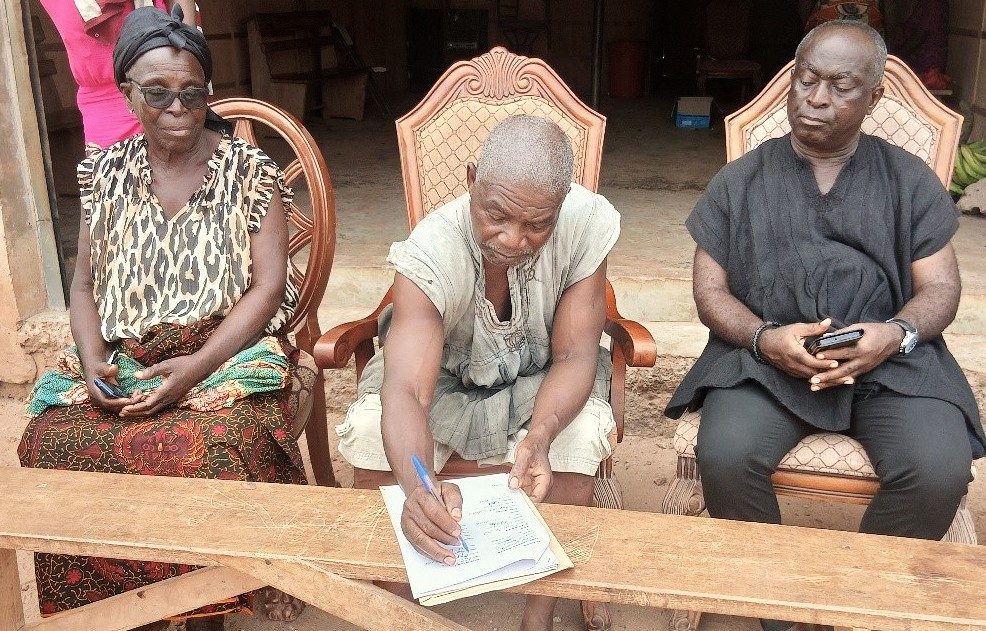
There is no road from Ampemkrom to its farming areas, making it difficult for farmers to harvest and transport their crops to the village and to markets in larger towns before they spoil. Their only access is a narrow footpath so degraded that neither a small motorbike nor a bicycle can safely use it during the rainy season.
During community meetings and the annual social survey, the Ampemkrom Chief, Nana Kojo Yeboah, and Community Leaders formally requested that Form Ghana consider constructing a road for the community. Form Ghana agreed to assist them.
The MOU states that Form Ghana will build and maintain a new six-kilometre road towards the Tain II reserve, and was signed by the Chief of Ampemkrom. It was witnessed by Berekum Dabe-Hene, Nana Oppong Boateng Dartey II and community representatives on 6 February 2026. The agreement was read in Akan, and it was confirmed that everyone understood it.
Form Ghana participated in the traditional rituals at the Domeabra and Ampemkrom road sites. The purpose was to inform the ancestors and the spirits of the land about the project, ensure the safety of the workers, and appease the local deities. Their rituals also appease the ancestors, allowing unrestricted access for farmers and other road users, particularly for crossing the four streams, which hold particular traditional importance.
The Elders poured Schnapps before and after chickens and white sheep were sacrificed, and their blood washed the ground at the construction site.
Willem Fourie says the MOU represents a significant step toward sustainable road infrastructure development through partnerships rooted in social responsibility and transparency. Its successful implementation will deliver long-term socio-economic benefits for the Ampemkrom and Domeabra Communities and Form Ghana.
Do you want to join our team?